PRODUCTS
 Mobile:+86-13615886914
Tel:+86-13615886914
QQ:2425087091
Email:liukaisheng@ifatechcn.com
Skype:sdqdlks
Add:No.798 Jinghua Road , High-tech District, Ningbo City,Zhejiang Province
Ningbo TEMAX Solutions Co., Ltd
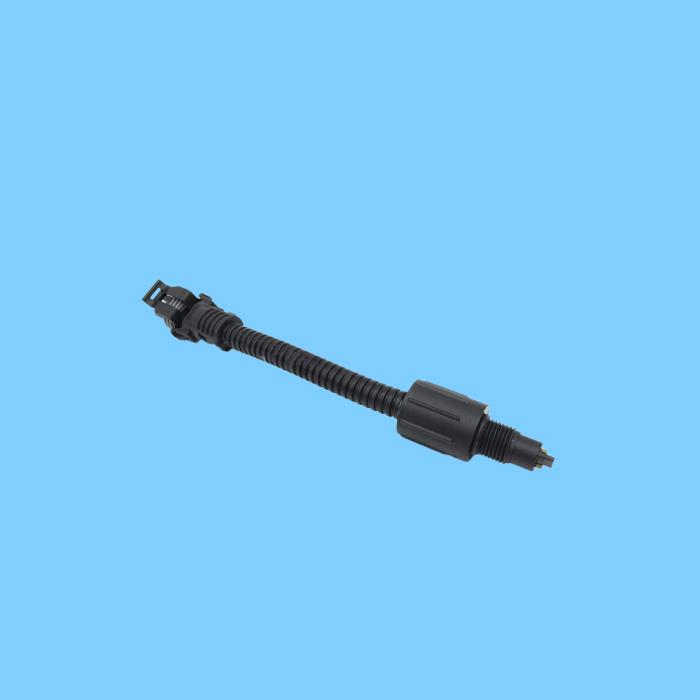
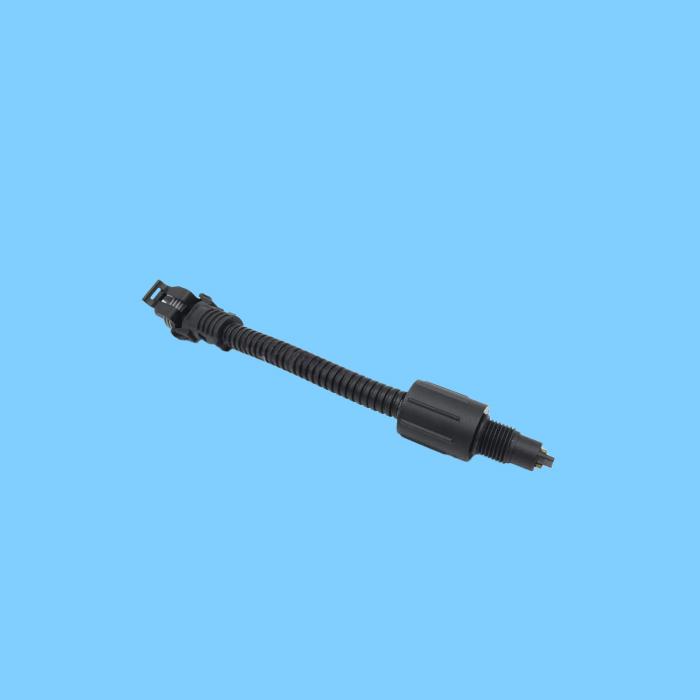
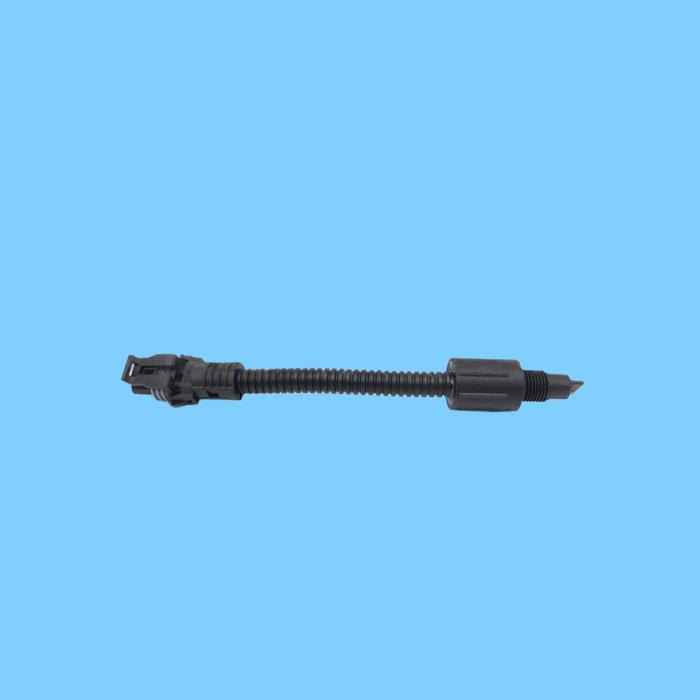
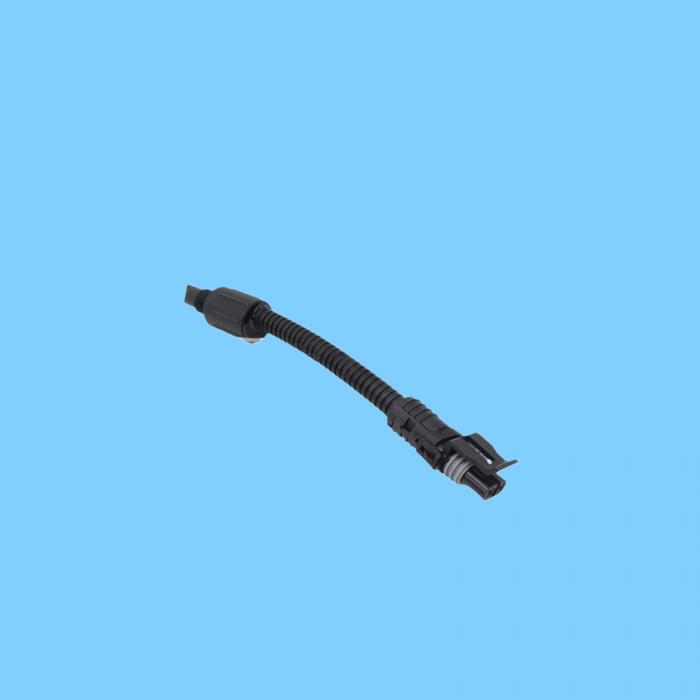
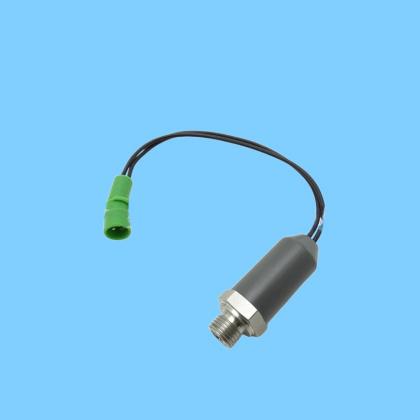
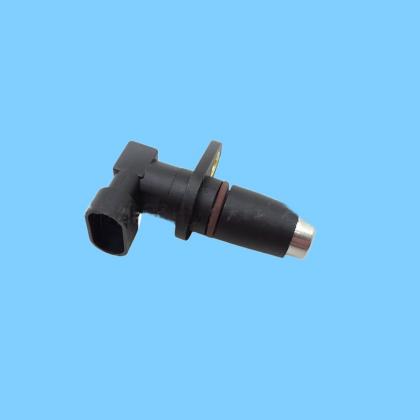
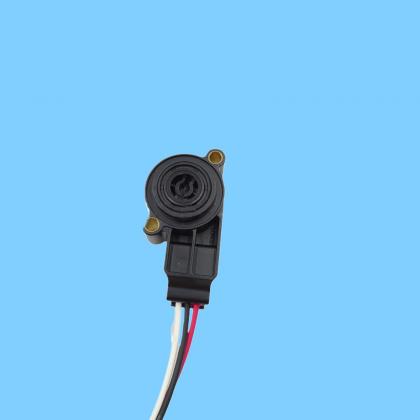
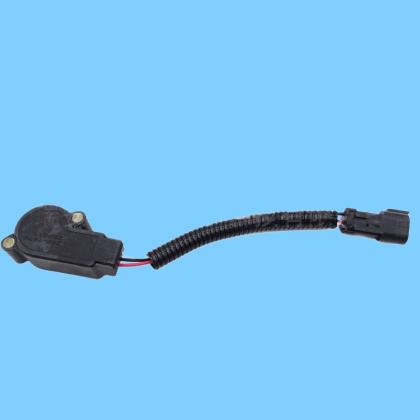
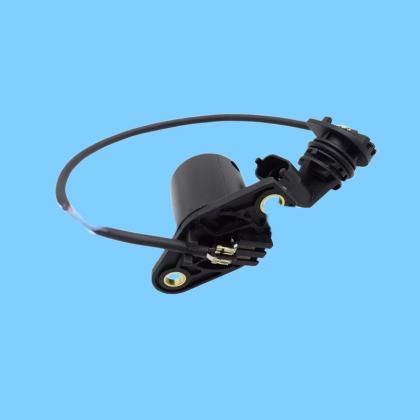
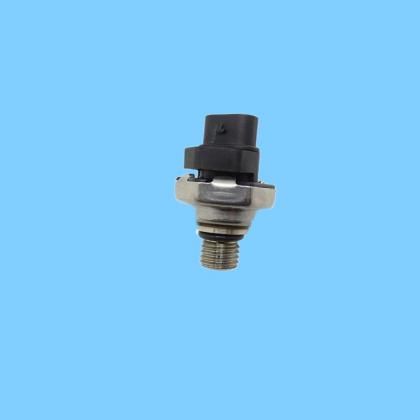
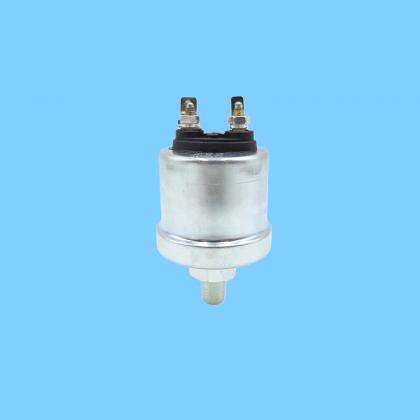
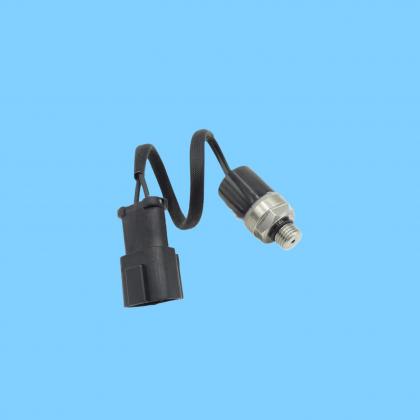
| Name: | RE532949 John Deere Water-in-Fuel Sensor |
|---|---|
Product Description
RE532949 John Deere Water-in-Fuel Sensor: Designed to monitor moisture levels in diesel fuel and protect the engine's fuel system.
I. Core Specifications
OE Part Number: RE532949 (John Deere)
Type: Water-in-Fuel Sensor (Fuel-Water Separator Sensor)
Replacement Model: RE503590
Function: Detects moisture content in the fuel; triggers an alarm to prevent water from entering and damaging the fuel injectors or high-pressure fuel pump.
II. Key Parameters
Table
Parameter Specification
Applicable Medium Diesel Fuel
Operating Voltage 12V / 24V (Compatible with John Deere equipment)
Installation Location Bottom of Fuel Filter / Fuel-Water Separator
Output Signal Switch Signal (Water Detected / No Water)
Protection Rating IP67 (Waterproof and Dustproof)
Operating Temperature -40°C to +85°C
Material Engineering Plastic + Metal Electrodes
III. Compatible Equipment (John Deere)
Tractors: 8130, 8230, 8320R, 9230, 9430, 9530, 9630 Series
Harvesters: 9660 STS, 9770 STS, S650, S660, S670, S760, S770, S780
Loaders / Graders: 670G, 672G, 770G, 772G, 724K
Engines: 4045, 6068, 6135 Series Diesel Engines
IV. Working Principle
The sensor electrodes are immersed in the fuel. When no water is present, electrical resistance is high, and the circuit remains open (disconnected). When water is present, the water conducts electricity, resistance decreases, and the circuit closes (connects); the ECU then triggers a "Water-in-Fuel" alarm (illuminating a dashboard warning light and/or sounding a buzzer) to alert the operator to drain the fuel system. VI. Installation and Troubleshooting
Installation Guidelines
Install at the bottom of the oil-water separator, ensuring the electrode is fully submerged in the fuel.
Ensure the connector plug is waterproof-sealed to prevent water ingress and short circuits.
Drain the separator periodically to prevent the sensor from remaining submerged in water for extended periods.
Common Faults
False Alarms / Failure to Alarm: Electrode fouling, loose connector plug, or short/open circuits in the wiring harness.
Sensor Failure: Electrode damage caused by prolonged exposure to high temperatures or fuel corrosion.
Troubleshooting Methods
Inspect the connector plug and wiring harness for any damage or defects.
Drain the separator and observe whether the alarm clears.
Measure the sensor's resistance using a multimeter: No water ≈ ∞ (Open Circuit); With water ≈ 0Ω.
发送反馈