PRODUCTS
 Mobile:+86-13615886914
Tel:+86-13615886914
QQ:2425087091
Email:liukaisheng@ifatechcn.com
Skype:sdqdlks
Add:No.798 Jinghua Road , High-tech District, Ningbo City,Zhejiang Province
Ningbo TEMAX Solutions Co., Ltd
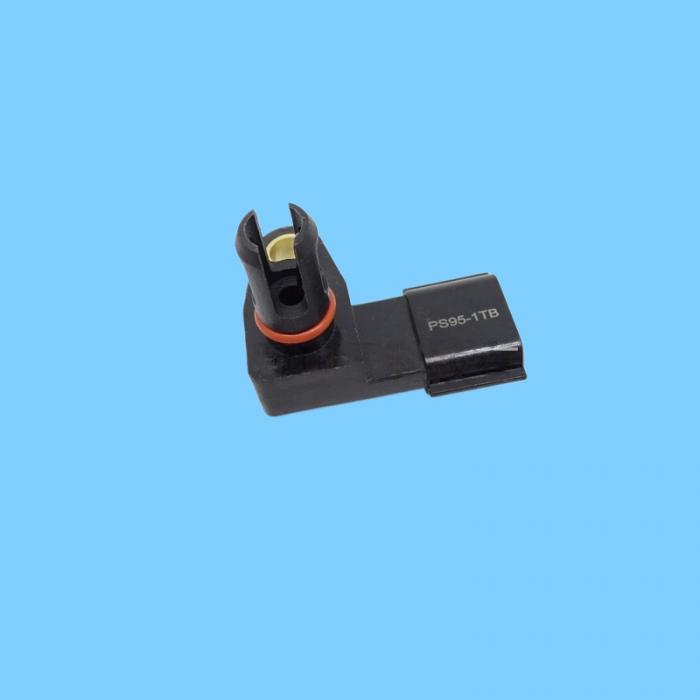
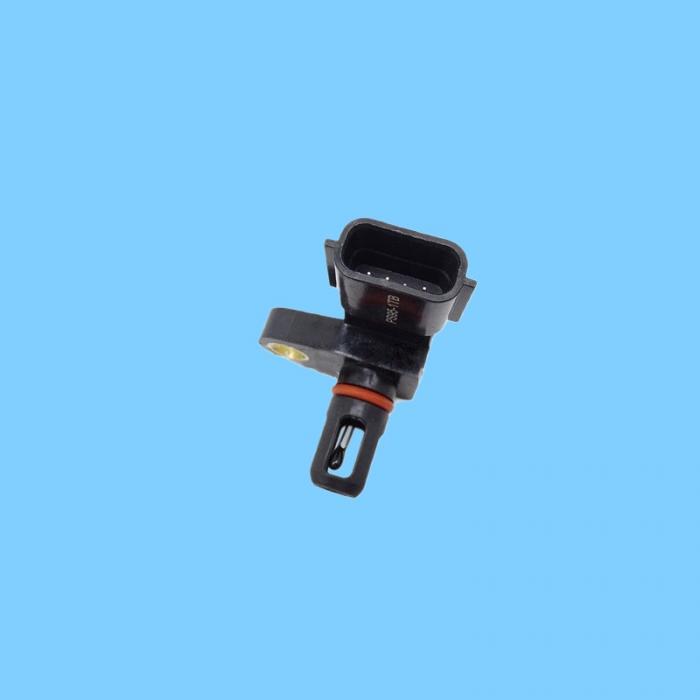
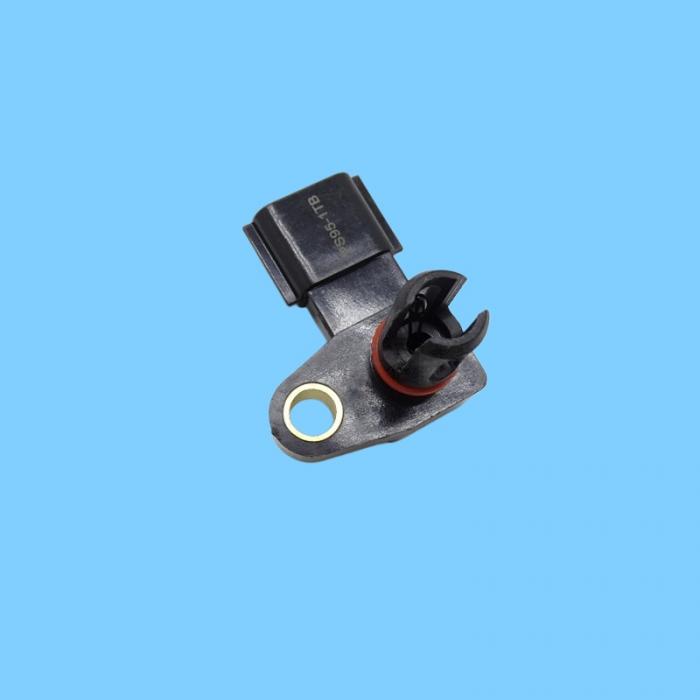
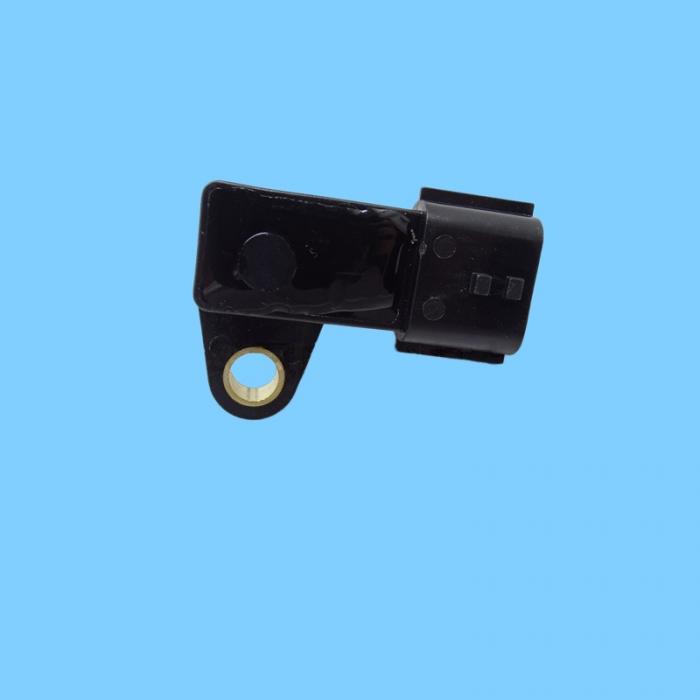
| Name: | PS95-1TB Sensor |
|---|---|
Product Description
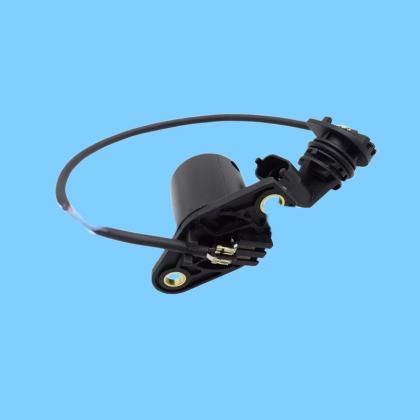
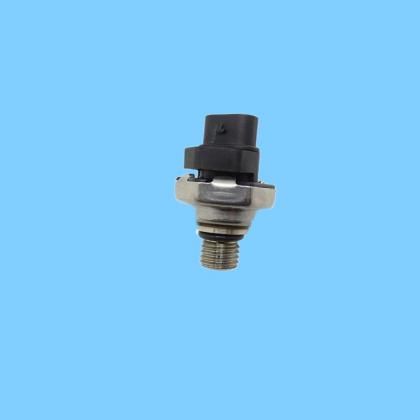
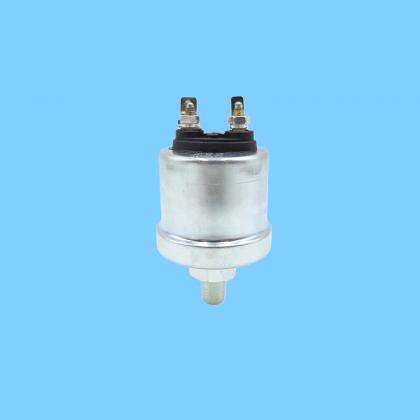
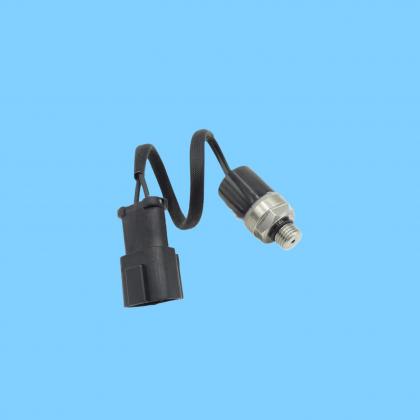
PS95-1TB is a 1-ton (1000 kg) dual-purpose tension/compression load cell (force sensor), widely utilized in equipment such as construction machinery, wheel loaders, tractors, hopper scales, and testing machines.
I. Core Positioning
Model: PS95-1TB
Type: S-Type / Column-Type Tension & Compression Sensor (Load Cell)
Capacity: 1 Ton (1000 kg)
Brand: Domestic (e.g., WG, Weiguan Electronics, etc.)
Aliases: 1T Force Sensor, S-Type Load Cell, Tension Sensor
II. Key Parameters (Industry Standard)
Table
Parameter Specification
Rated Load 1000 kg / 1T
Output Signal 2.0 ± 0.05 mV/V (Millivolt Level)
Excitation Voltage DC 5–15V (Recommended: 10V)
Accuracy Class 0.05%–0.1% FS (Combined Error)
Non-linearity / Hysteresis / Repeatability ≤ ±0.05% FS
Safe Overload 150% FS (1.5T)
Ultimate Overload 200% FS (2T)
Operating Temperature -20°C to +80°C
Protection Class IP65 / IP67 (Waterproof & Dustproof)
Material Alloy Steel / Stainless Steel
Electrical Interface 4-Core Shielded Cable (Excitation + / Excitation -, Signal + / Signal -)
Mounting Method Threaded Ends (M12/M16); Bi-directional (Tension & Compression)
III. Function and Principle
Core Function: Measures tension, compression, and weight; converts mechanical force into an electrical signal for use in weighing, force measurement, overload protection, and tension control applications.
Principle: Based on the principle of electrical resistance strain gauges. When subjected to force, the sensor's elastic body deforms; this deformation causes a change in the resistance of the strain gauges, which is then processed through a Wheatstone bridge circuit to output a millivolt-level signal directly proportional to the applied force. IV. Applicable Equipment (Primarily Construction Machinery)
Excavators, Loaders, Bulldozers: Weighing, Bucket Capacity Measurement, Torque Limitation
Tractors, Agricultural Machinery: Suspension System Force Measurement, Traction Force Monitoring
Hopper Scales, Platform Scales, Belt Scales: Industrial Weighing
Testing Machines, Tensile Testers: Materials Mechanics Testing
Others: Cranes, Port Machinery, Automation Equipment
VI. Installation and Troubleshooting
Installation Guidelines
Secure both ends via threaded connections; ensure proper alignment to apply force axially and avoid lateral forces.
Ground the cable's shielding layer; keep the cable away from sources of strong electromagnetic interference.
Handle with care; avoid dropping, striking, or subjecting the sensor to overload.
Common Faults
No Signal / Unstable Signal: Broken cable wire, loose connector, damaged strain gauge.
Zero-Point Drift: Temperature fluctuations, installation-induced stress, sensor fatigue.
Output Too Low / Too High: Abnormal excitation voltage, incorrect wiring, damage caused by overload.
Simple Testing Procedures
Zero-Point Output (No Load): Should be close to 0 mV.
Sensitivity Check (Under Load): At a load of 1 ton, the output should be approximately 2 mV/V × Excitation Voltage.
发送反馈