PRODUCTS
 Mobile:+86-13615886914
Tel:+86-13615886914
QQ:2425087091
Email:liukaisheng@ifatechcn.com
Skype:sdqdlks
Add:No.798 Jinghua Road , High-tech District, Ningbo City,Zhejiang Province
Ningbo TEMAX Solutions Co., Ltd
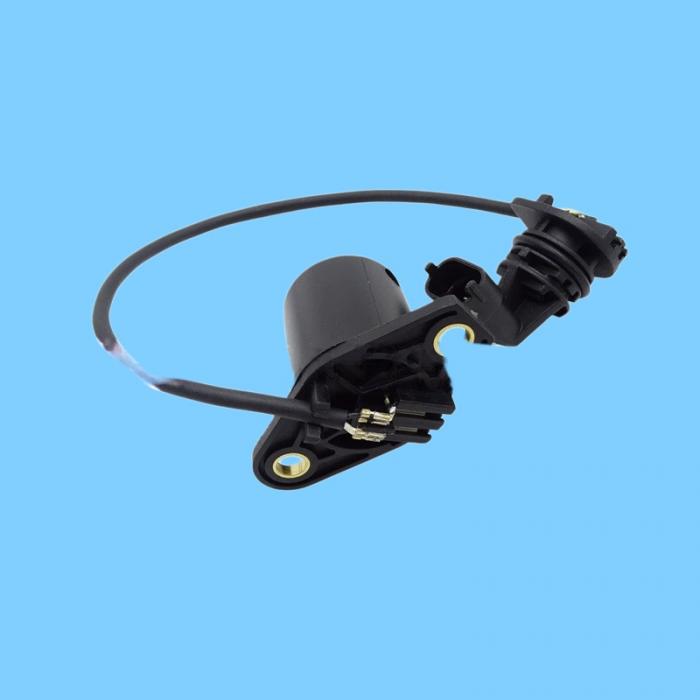
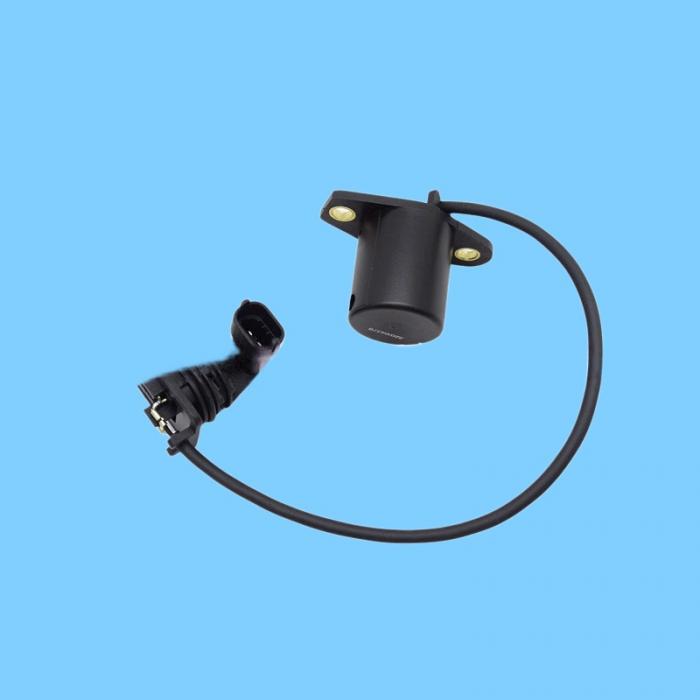
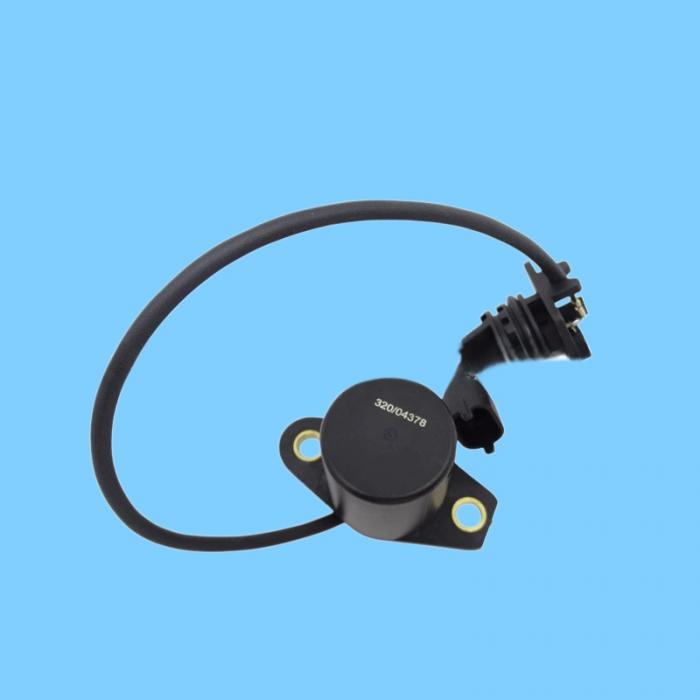
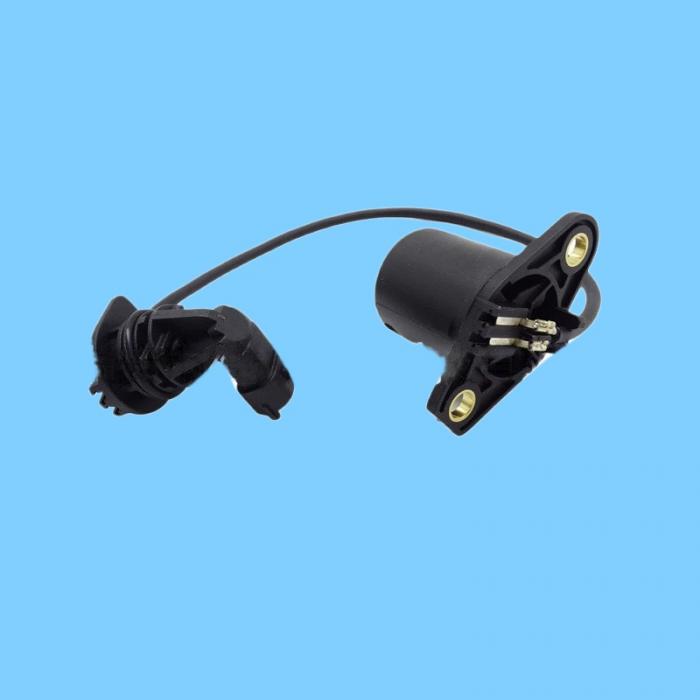
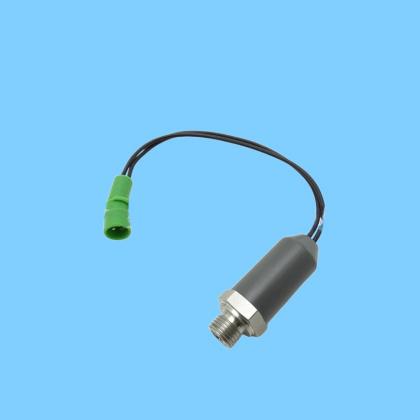
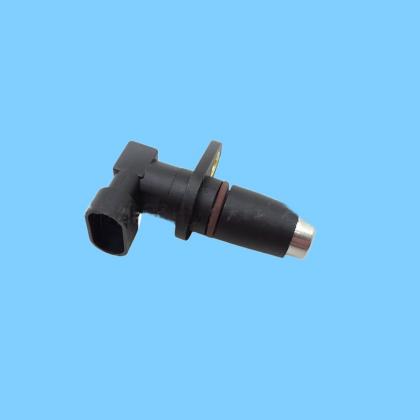
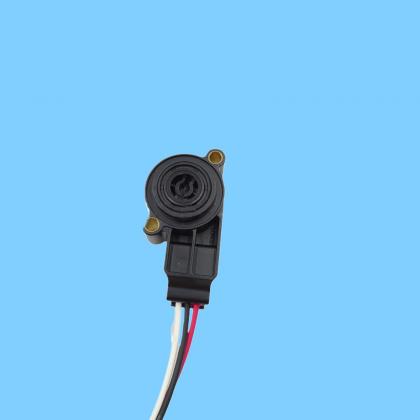
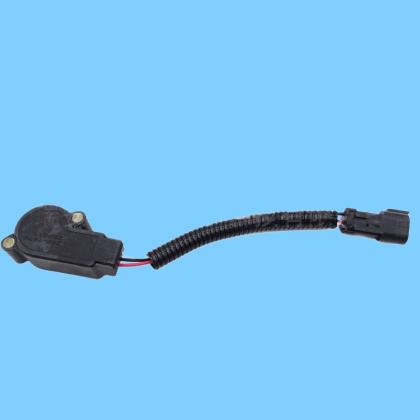
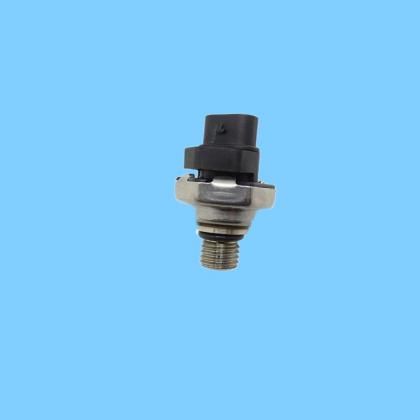
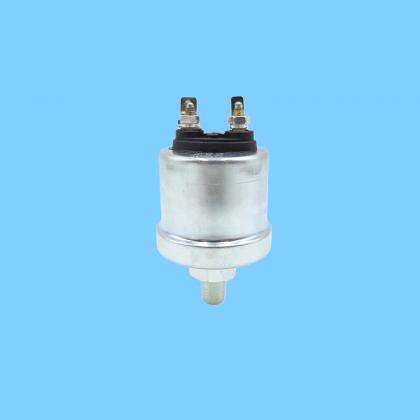
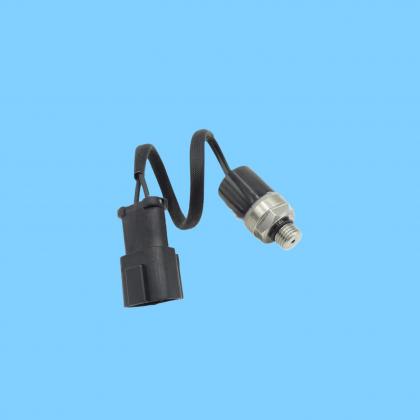
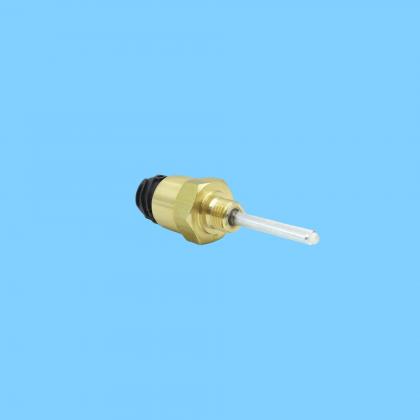
| Name: | 320-04378 (32004378) Oil Pressure Sensor |
|---|---|
Product Description
320-04378 (32004378) Oil Pressure Sensor / Sending Unit—primarily compatible with JCB 3CX, 4CX, and similar backhoe loaders, as well as select excavator models—used to monitor engine oil pressure and transmit signals to the instrument panel or ECU. I. Core Parameters and Specifications
OE Model: 320-04378 / 32004378 / 320/04378 (JCB Original Part Number)
Type: Oil Pressure Sensor / Switch
Function: Real-time monitoring of engine oil pressure; triggers an alarm or limits power output in the event of an anomaly.
Electrical Interface: 1-pin / 2-pin (Typically 1-pin, single-wire configuration utilizing a ground return circuit).
Thread Specification: M12×1.5 (Common standard for heavy machinery).
Pressure Range: 0–10 bar / 0–145 psi (Compatible with JCB diesel engines).
Material: Copper / Stainless Steel housing; resistant to high temperatures and oil.
II. Compatible Models (Mainstream)
JCB Backhoe Loaders: 3CX, 4CX, 214, 215, 217, 3D, 4C
JCB Excavators: JS200, JS220, JS130, JS160, JS180, JS240
JCB Loaders / Forklifts: Select models including 411, 416, 426, 436, etc.
Engines: Compatible with JCB 444, 448, DIESELMAX, and similar engine series.
III. Alternative Models and Suppliers
Table
Type Alternative Model Description
Original Part Number 320/04378 JCB Original Equipment (OE); fully compatible.
Cross-Reference / Interchangeable 701/80327, 274-6721 Interchangeable on select models (verification of pin configuration and thread specifications is required).
V. Fault Symptoms and Troubleshooting
Common Faults:
Oil pressure warning light remains constantly lit or flashes.
Difficulty starting the engine, unstable idling, or reduced power output.
No oil pressure reading displayed on the instrument panel, or the reading appears abnormal.
Troubleshooting Steps:
Check the sensor connector/plug for looseness, corrosion (oxidation), or physical damage.
Measure the sensor's electrical resistance (readings should fall within the standard range for both cold and warm engine states). Directly short-circuit the sensor terminals; the warning light should turn off (to verify the integrity of the wiring/ECU).
If the anomaly persists after replacing the sensor → Inspect the oil pump, oil filter, and oil passages.