PRODUCTS
 Mobile:+86-13615886914
Tel:+86-13615886914
QQ:2425087091
Email:liukaisheng@ifatechcn.com
Skype:sdqdlks
Add:No.798 Jinghua Road , High-tech District, Ningbo City,Zhejiang Province
Ningbo TEMAX Solutions Co., Ltd
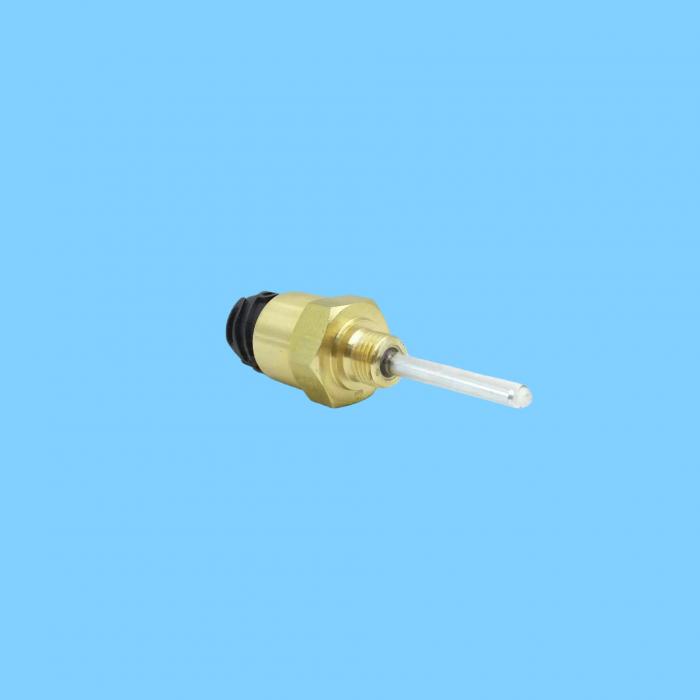
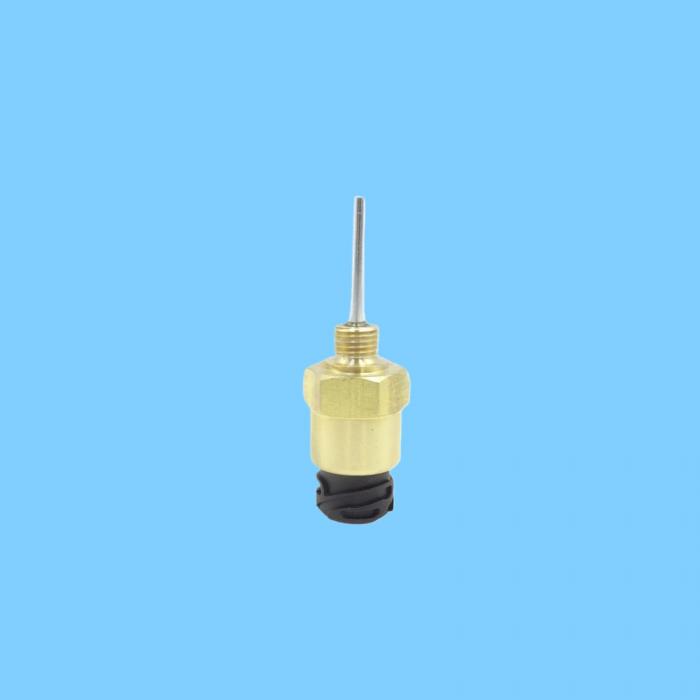
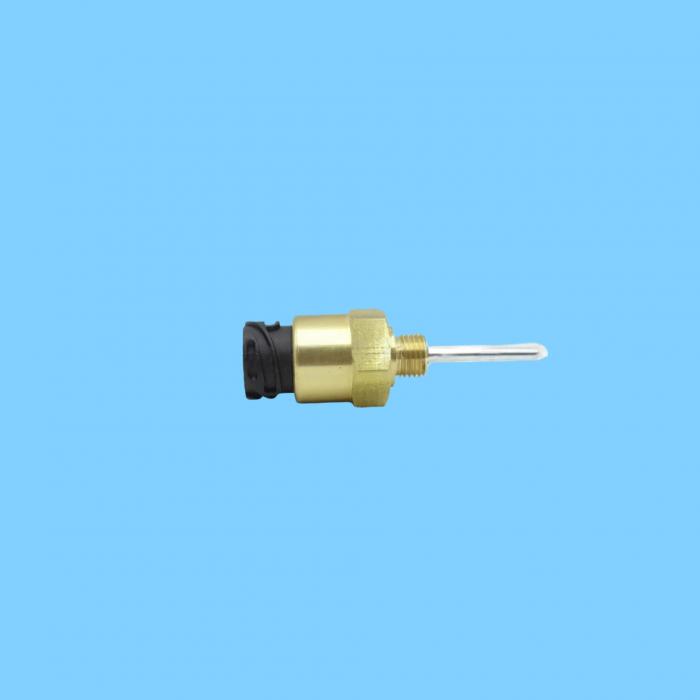
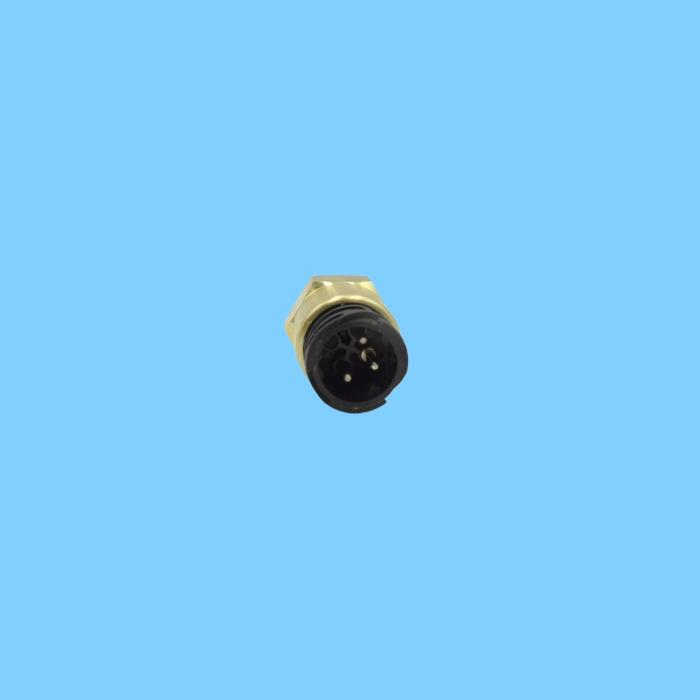
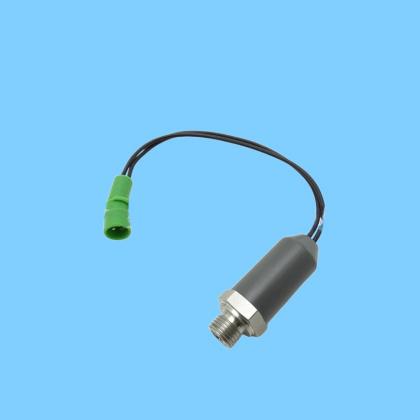
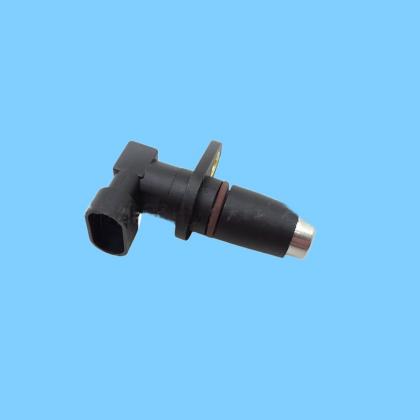
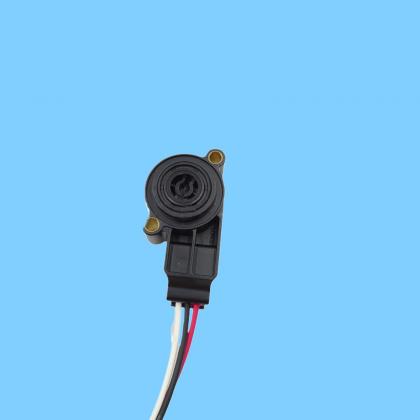
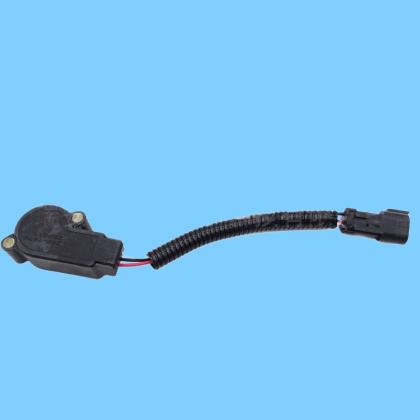
| Name: | 218715GT, 04218100, 04218372, and 4218372 sensors |
|---|---|
Product Description
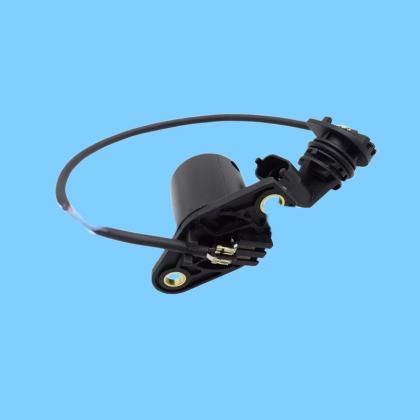
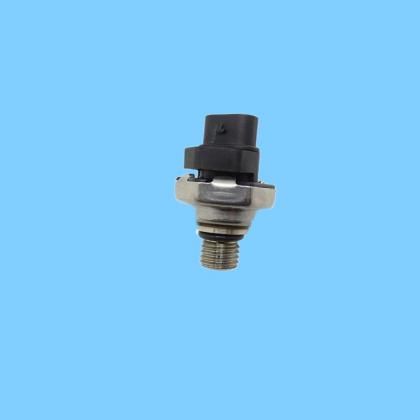
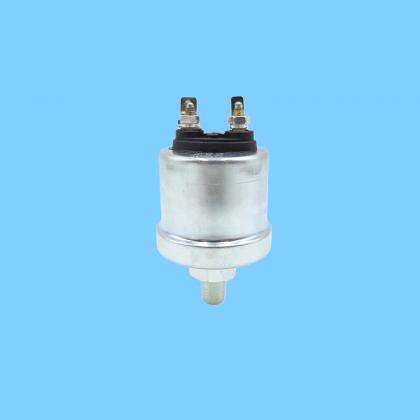
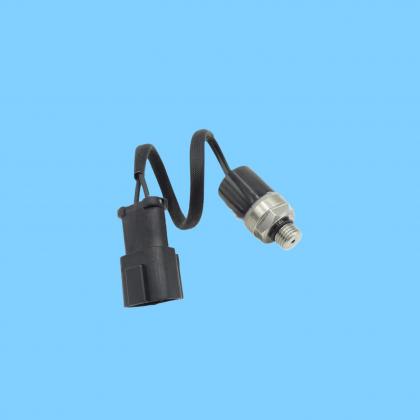
218715GT, 04218100, 04218372, and 4218372 are coolant level sensors for DEUTZ TCD3.6/D2.9 engines. These parts are functionally interchangeable and are primarily used in Genie aerial work platforms.
I. Model Relationships and Classification
218715GT: Genie Original Equipment (OE) part number, compatible with Genie aerial work platforms.
04218372 / 4218372: DEUTZ OE part numbers (4218372 is an abbreviation for 04218372).
04218100: An earlier or alternative DEUTZ part number; it is functionally and physically (installation-wise) identical to the models listed above. II. Core Parameters and Operating Principle
Type: Capacitive Single-Point Liquid Level Switch (Non-continuous analog output)
Operating Voltage: DC 9–32V (Compatible with heavy machinery vehicle power systems)
Output Signal: Open Collector (NPN/PNP); triggers an alarm signal when the liquid level is low
Protection Rating: IP67 (Dustproof and waterproof); suitable for harsh operating conditions
Operating Temperature: -40°C to +125°C
Installation: Threaded screw-in type; compatible with expansion tanks / auxiliary coolant tanks
Principle: Detects whether the liquid level has dropped below a preset threshold by leveraging the difference in dielectric constants between the coolant and air; triggers an ECU alarm to prevent engine overheating
III. Applicable Equipment (Key Models)
Engines: Deutz TCD3.6 L4, D2.9 L4 Series
Equipment Brand: Genie (Aerial Work Platforms)
Articulating / Telescopic Booms: Z-45/25J, Z-51/30J, Z-62/40, Z-80/60, ZX-135/70
Scissor Lifts: GS-3384, GS-3390, GS-4390, GS-5390
Telehandlers: GTH-636, GTH-844, GTH-1056
V. Installation and Troubleshooting
Installation: Ensure power is disconnected before operation; clean the threads and sealing surfaces; replace the O-ring with a new one; tighten to the standard torque specification (approx. 25–35 N·m).
Common Faults:
False Alarms: Scale buildup on the sensor probe; short circuit or open circuit in the wiring harness.
Failure to Alarm: Internal sensor failure; ECU malfunction.
Testing: Use a multimeter to measure the output terminal; the signal level should switch when the liquid level drops to the low threshold; inspect the wiring harness and connectors for corrosion.